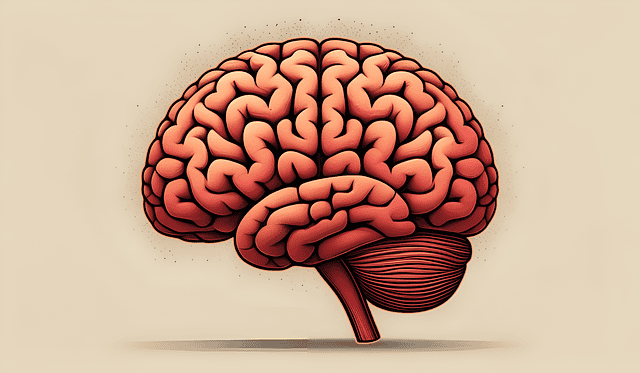
Dementia is a general term used to describe a group of symptoms that affect memory, thinking, communication, behavior, and the ability to perform everyday activities. It is not a specific disease itself, but rather a syndrome that can result from several different brain disorders. Dementia is more common among older adults, although it is not a normal or inevitable part of aging. As populations around the world grow older, dementia has become an increasingly important health and social issue.
One of the most common causes of dementia is Alzheimer’s disease. Other causes include vascular dementia, dementia with Lewy bodies, and frontotemporal dementia. Some people may experience more than one type of brain disorder at the same time, a condition sometimes called mixed dementia. Each form can affect the brain differently, so symptoms and their progression may vary from person to person.
Memory loss is one of the best-known symptoms of dementia, but the condition involves much more than simply forgetting things. A person may have difficulty finding the right words, solving problems, making decisions, recognizing familiar places, or managing routine tasks. Changes in mood and personality can also occur. For example, someone who was previously confident and sociable may become anxious, withdrawn, irritable, or confused. In later stages, a person may require substantial assistance with eating, dressing, personal hygiene, and other daily activities.
The causes of dementia depend on the type. In Alzheimer’s disease, abnormal changes in the brain damage and eventually destroy nerve cells. Vascular dementia can occur when blood flow to parts of the brain is reduced or interrupted, often because of strokes or damage to small blood vessels. Other forms involve abnormal proteins or degeneration of particular areas of the brain. Risk factors can include increasing age, family history, cardiovascular disease, high blood pressure, diabetes, smoking, physical inactivity, and certain other health conditions. However, having a risk factor does not mean that a person will definitely develop dementia.
There is currently no universal cure for most types of dementia. However, early diagnosis is valuable because some causes of cognitive impairment may be treatable or reversible, and certain treatments can help manage symptoms in particular types of dementia. Doctors may use medical history, cognitive assessments, physical examinations, laboratory tests, and brain imaging to determine the possible cause. Treatment may involve medicines, management of underlying health conditions, physical activity, cognitive and social stimulation, and other supportive approaches.
The impact of dementia extends beyond the individual. Family members and caregivers often provide significant emotional, physical, and financial support. Caring for someone with dementia can be rewarding, but it can also be stressful and exhausting. Caregivers may experience anxiety, depression, sleep problems, or financial difficulties. For this reason, caregiver education, respite services, support groups, and community resources are important parts of dementia care.
Creating a supportive environment can improve the quality of life of people living with dementia. Simple measures such as maintaining a regular routine, communicating clearly, encouraging independence, reducing unnecessary distractions, and ensuring a safe living environment can be helpful. Treating the person with dignity and involving them in decisions about their care are equally important.
Although dementia presents serious challenges, greater awareness can help reduce fear and stigma. People with dementia remain individuals with their own experiences, relationships, preferences, and abilities. Communities can support them by promoting inclusion, patience, accessibility, and understanding.
In conclusion, dementia is a complex condition that affects millions of people and their families. Understanding its symptoms, causes, risk factors, and effects is essential for early recognition and appropriate support. While many forms of dementia cannot currently be cured, medical care, healthy lifestyle choices, supportive relationships, and compassionate caregiving can make a meaningful difference. Continued research and public awareness offer hope for better prevention, diagnosis, treatment, and quality of life in the future.